Bob BRUGGER

Greetings comrades, as the autumn air cools and the leaves begin their shift, October brings a natural rhythm of transition and reflection. It is a busy month on many calendars—across the globe, our neighbors of various faiths observe high holy days and traditions centered on reflection, vigilance, and holding fast to purpose through life’s changing seasons.
Here in our
military community, October also holds a special significance for those who
have served on the seas: Navy Day on October 27.
Whether you
served in the Navy, Army, Air Force, Marine Corps, Coast Guard, or Space Force,
every veteran understands the profound responsibility of "standing the
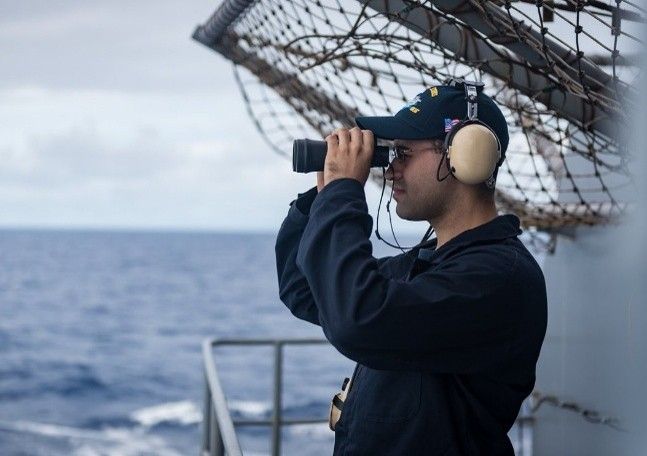
watch." On naval vessels scattered across vast oceans, watchstanders
maintain steady eyes on the horizon through calm seas and sudden storms alike.
They ensure the safety of the crew, the security of the ship, and the
completion of the mission. In many ways,
life itself demands a similar kind of watchfulness.
The changing of
seasons—both on the calendar and in our personal lives—can bring unpredictable
waters. Some of us may be navigating quiet, smooth stretches, while others
among our Post family are steering through heavy weather, dealing with illness,
loss, or the heavy weight of memories.
 This month, as
we honor our Navy veterans and recognize the spiritual traditions of reflection
that mark this time of year, let us remember two vital truths about standing
the watch:
This month, as
we honor our Navy veterans and recognize the spiritual traditions of reflection
that mark this time of year, let us remember two vital truths about standing
the watch:
1. No One
Stands the Watch Alone: A good sailor knows that watchstanding is a shared
duty. When your relief comes, you hand over the helm knowing someone has your
back. In our civilian life, our Post exists to be that relief. If you are
feeling overwhelmed, weary, or isolated, reach out. Your comrades are here to
share the load.
2. Anchored in
Something Greater: When physical landmarks disappear into the dark, sailors
rely on the stars and their instruments to keep steady. Whatever your faith or
spiritual tradition, taking time in this season to anchor yourself in prayer,
reflection, or community gives you the stability needed to face whatever lies
ahead.
To all our Navy
veterans: Happy Navy Day, and fair winds and following seas.
To every member
of our Post and Auxiliary: May you find peace, strength, and good comradeship
as we stand the watch together this October.
As always you
can reach out to me anytime by calling or texting me at (253) 617-8995 or
emailing me at rbrugger001@hotmail.com
If you are experiencing a crisis, help is a phone call away:
Veterans Crisis Line DIAL 988 then PRESS 1
